





An air conditioner that struggles through the afternoon can make the whole household uncomfortable. In Chandler, where cooling systems face long stretches of summer use, small changes in performance deserve attention before they become bigger problems.
Homeowners can reduce the risk of HVAC breakdowns by checking filters regularly, keeping airflow paths clear, scheduling professional maintenance, and addressing unusual operation early. These habits cannot prevent every equipment failure, but they give you a practical way to care for your system and spot developing trouble.
Start by understanding which tasks you can handle yourself and which require professional maintenance.
Schedule Seasonal HVAC Maintenance Before Problems Develop
October is a good time to review how your cooling system performed over the summer and address any lingering problems. Arrange heating maintenance before colder weather arrives, following your equipment manufacturer’s recommended service schedule. Planning gives you more time to compare options and arrange a convenient appointment.
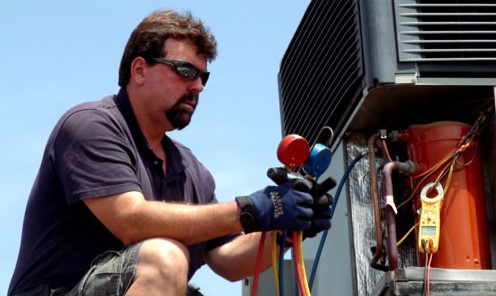
A professional HVAC maintenance visit should involve more than a quick look at the outdoor unit. Depending on the system, the technician may inspect electrical connections, check operating controls, examine coils, assess airflow, and inspect condensate drainage. Ask what the appointment includes and whether additional cleaning or diagnostic work costs extra. Seasonal inspections help identify conditions that can affect performance, although they cannot guarantee trouble-free operation.
Mention any changes you have noticed before the visit begins. A bedroom that stays warm, a new startup noise, or cooling that fades late in the day can help guide the inspection.
Check Air Filters Regularly During Chandler’s Cooling Season
Filter checks are one of the most useful maintenance habits you can build. A dirty or clogged filter restricts airflow, which can affect cooling performance and increase energy use. Check its condition monthly during heavy use, then clean or replace it according to the filter and equipment instructions. Pets, household dust, and frequent system operation can affect how quickly it becomes dirty.
Before buying a replacement, confirm the dimensions and recommended filter type. A higher filtration rating is not automatically the right choice for every system. If you want better particle filtration, ask whether your equipment can accommodate the proposed filter without restricting airflow.
Turn the system off before changing an accessible filter, and install the replacement with its airflow arrow pointing in the direction specified by your equipment instructions. If your home has separate upstairs and downstairs systems, check the filter locations for both. Setting a recurring reminder helps keep the task from disappearing into a busy family schedule.
Keep Return Grilles and Supply Vents Clear
Furniture placement can interfere with airflow without anyone noticing. A sofa pushed against a return grille or a rug covering a floor register may affect how air moves through the home.
Walk through each room and check that supply vents and return grilles remain unobstructed. Clean dust from accessible grille surfaces, and avoid routinely closing vents to redirect cooling unless a technician has assessed the system.
Wiping down register grilles cleans exposed surfaces, while cleaning duct interiors is a separate service that is not necessary for every home. If you suspect contamination, pest activity, or substantial debris, arrange a professional assessment of the ducts and the underlying cause.
If one room remains uncomfortable after basic checks, explain the pattern to your technician. The answer may involve duct leakage, insulation, airflow balance, or another issue that filter replacement alone will not solve.
Give the Outdoor Unit Room to Release Heat
Your outdoor unit needs unobstructed airflow to release heat. Leaves, windblown litter, and overgrown plants can collect around the equipment, especially after windy weather.
Check the surrounding area from ground level and remove loose debris that you can reach safely. Keep storage bins, patio furniture, and landscaping outside the clearance specified by the manufacturer. Avoid placing anything on top of the unit or enclosing it with a decorative cover while it operates.
Coils also need periodic inspection because accumulated dirt can interfere with heat transfer. Leave internal cleaning and work around electrical components to a professional. Maintenance should follow the equipment instructions rather than an improvised cleaning method.
Respond to Changes Before Cooling Stops Completely
Some failures happen suddenly. Others begin with a change that is easy to dismiss because the system still runs.
Pay attention to repeated short cycles, weaker airflow, new rattling or grinding sounds, and rooms that become harder to cool. An unexpected increase in your electric bill can also justify checking performance, although outdoor temperatures, utility rates, and household habits may explain part of the change.
Write down when the problem occurs. Does cooling weaken only during the afternoon? Does the noise happen at startup? Is the problem limited to one system or one room? Those details give the technician more useful information than “the AC seems off.”
Persistent odors also need investigation. A musty smell does not establish that mold is present, and an odor alone does not prove duct cleaning is needed. If you notice smoke, sparking, or a persistent electrical burning smell, stop using the equipment and seek professional help. Leave the home and contact emergency services if there is an immediate fire hazard.
Know Which Maintenance Tasks Belong to a Professional
Homeowners can usually check thermostat settings, replace accessible filters, and clear obstructions around vents. Anything beyond basic care should depend on the equipment instructions and your ability to complete the task safely.
Electrical testing, motor repairs, refrigerant work, and internal equipment adjustments require appropriate training and tools. Opening a cabinet to investigate a noise or repeatedly resetting a tripped breaker can create additional problems.
If cooling stops, first check that the thermostat is set to cooling and that its schedule has not changed. Check the accessible filter and note any visible ice or water. Avoid repeatedly restarting equipment that shuts itself down or trying to chip ice away.
Share your observations when arranging service. You do not need to diagnose the fault yourself to help the technician understand what happened.
Ask for a Diagnosis Before Approving Major Work
An HVAC problem does not automatically mean the equipment needs replacement. A repair decision should account for the failed component, overall condition, repair history, warranty coverage, and expected cost.
Ask the technician to explain what failed, how it was tested, and what the proposed repair includes. If replacement is recommended, ask why repairing the existing system would be less practical. Request a written estimate so you can review the scope and any exclusions.
A second opinion can be useful when the recommendation involves substantial expense or the explanation remains unclear. You should have enough information to decide without feeling rushed.
If you are considering a maintenance agreement, ask about visit frequency, included services, additional charges, and cancellation terms before enrolling. Choose a plan that fits your system’s maintenance needs and your household budget.
Keep a Simple Record of HVAC Service
A folder of invoices and service notes can make future decisions easier. Save the equipment model numbers, installation information, warranty documents, and records of completed repairs.
For homes with multiple systems, identify which unit each invoice covers. A repeated problem with the upstairs system can be difficult to track if every receipt simply says AC service.
Bring that history to future appointments. It helps you explain recurring concerns and compare a new recommendation with previous findings. It also gives you a clearer picture of repair spending when you eventually consider replacement.
Arrange HVAC Maintenance for Your Chandler Home
At Steve’s Ultimate Air, we provide air conditioning maintenance, repair, and installation for Chandler homeowners and surrounding Valley communities. Our local, family-owned business has served the area since 2010.
If your system has started sounding different, cooling unevenly, or cycling more frequently, arrange an inspection before the problem disrupts your household. Explore our air conditioning services and contact Steve’s Ultimate Air at (480) 458-7287 to schedule an appointment and discuss your concerns.